
SPECIALIZED TAX INCENTIVE
Cost Segregation
Unlock potential cash flow from your real estate investments. By identifying qualifying building components for accelerated depreciation, Cost Segregation can help property owners increase near-term deductions and improve cash flow.
Explore your real estate investment potential.
It achieves this by identifying and reclassifying personal property assets and land improvements to shorten their depreciation recovery periods, rather than depreciating the entire building over the standard 39 years (or 27.5 years for residential rental).
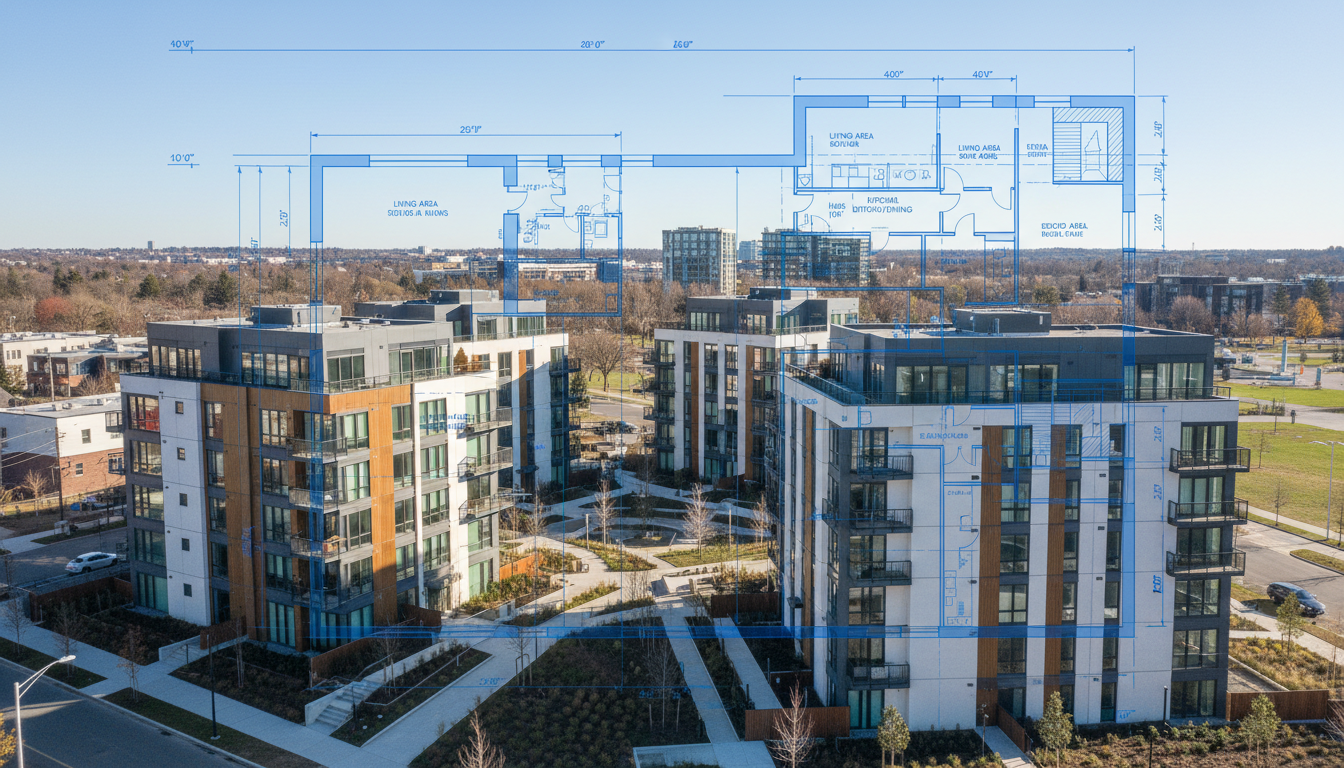

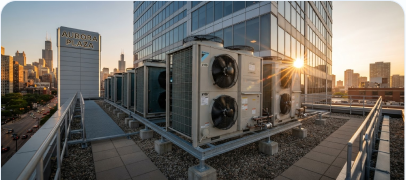


Key Benefits of Cost Segregation
Accelerated Depreciation
Identify qualifying assets with shorter recovery periods to accelerate depreciation deductions and potentially improve near-term cash flow.
Asset Write-Off Opportunities
Detailed asset identification can help support the appropriate tax treatment of qualifying components when property is replaced, renovated, or disposed of.
Detailed Supporting Documentation
An engineering-based Cost Segregation study provides detailed asset classifications and supporting documentation for the depreciation positions reflected in the study.
Tax Deferral & Cash-Flow Timing
Accelerating depreciation on qualifying property may shift deductions into earlier years, potentially reducing near-term tax liability and improving cash-flow timing.
THE MECHANICS
How Cost Segregation Works
A typical commercial property depreciates over 39 long years. Cost segregation breaks this down to unlock faster depreciation timelines.
STANDARD METHOD
39-Year Blanket Depreciation
Most of the building and its structural components are depreciated over 39 years.
COST SEGREGATION METHOD
Reclassified Component Timelines
We analyze and identify qualifying building components that may be depreciated over shorter recovery periods:
THE PROCESS DETAILS
What's Involved in a Study?
Our engineering-led process leaves no stone unturned. Our experts analyze structural blueprints, review contractor invoices, and conduct comprehensive physical site inspections to accurately catalog and classify qualifying components.
When historical details are limited or incomplete, our engineering team can use available records and appropriate estimation methods to identify and support qualifying property classifications.
OPTIMAL TIMING
When Should You Conduct a Study?
The absolute best time is immediately following the purchase, construction, or extensive remodeling of a commercial property. This lets you realize the tax-deferral benefits as early as possible.
Cost Segregation can also be performed on properties acquired, constructed, or improved in prior years. Depending on the circumstances, previously unclaimed depreciation may be addressed through an accounting method change, potentially allowing eligible catch-up depreciation without amending prior-year returns.
Our 3-Step Methodology
Kick-Off Consultation
We conduct an initial 30-minute kick-off session to review the target real estate portfolio and quickly assess high-level eligibility.
Detailed Analysis
Our specialists analyze blueprint assets, map cost categories, perform site surveys, and develop the property-specific depreciation analysis.
Comprehensive Report
Receive a fully documented report with detailed asset classifications and depreciation schedules, ready for your CPA to integrate into your tax filings.
Built for IRS Compliance
Every cost segregation study we deliver is built with detailed engineering analysis and supporting documentation designed to support the tax positions reflected in the study.
Engineering-Based Analysis
Our studies are performed by licensed professional engineers who conduct physical site inspections, review available plans and project documentation, and apply established cost segregation methodologies. Component classifications are supported by engineering analysis and available property data.
Comprehensive Documentation
We deliver fully documented workpapers covering all component classifications, cost allocations, depreciation schedules, and baseline assumptions — everything your CPA needs to file accurately and confidently.
Audit-Ready Reports
Our reports include supporting documentation such as site photos, component classifications, cost allocation methodologies, depreciation schedules, and relevant supporting references to help substantiate the study if questions arise.
Post-Engagement Support
Our relationship doesn't end at delivery. We work directly with your CPA or tax advisor to support integration into your returns and remain available to respond to any follow-up questions or IRS correspondence.
COMBINED STRATEGIES
Evaluating Combined Tax Strategies
Cost Segregation can sometimes work alongside other tax strategies. Evaluating these opportunities together can provide a more complete view of the potential tax benefits available to a business.
COMBINATION 1
Cost Segregation + Section 179D
Best for: Commercial property owners with qualifying energy-efficient improvements
COMBINATION 2
Cost Segregation + R&D Tax Credit
Best for: Manufacturers, tech companies, and AEC firms with owned facilities
A Broader View of Your Tax Opportunities
Businesses investing in facilities, property improvements, technical development, or energy-efficient building systems may have more than one tax strategy worth evaluating. Reviewing these opportunities together can help provide a more complete picture of the potential benefits available.
Common Property Types That Benefit from Cost Segregation
Cost segregation is not limited to one industry. It can be applied across a wide range of commercial properties and business types to accelerate depreciation and improve cash flow.
Hospitality
Hotels, resorts, restaurants, and lodging properties may contain qualifying electrical, plumbing, and decorative components that may be eligible for shorter depreciation periods.
Multifamily Housing
Apartment complexes, student housing, and mixed-use residential developments may contain qualifying common-area improvements eligible for accelerated depreciation.
Retail Properties
Shopping centers, restaurants, and retail storefronts may contain qualifying specialized lighting, and tenant improvement assets that may be eligible for shorter depreciation periods.
Manufacturing Facilities
Industrial facilities may contain qualifying electrical, process piping, and equipment-related improvements eligible for accelerated depreciation.
Warehouses & Distribution
Warehouse and distribution centers may contain qualifying specialized lighting, racking systems, and material-handling equipment eligible for shorter depreciation periods.
Healthcare Facilities
Medical offices, clinics, and specialized care facilities may contain qualifying medical equipment, specialized lighting, and other components eligible for accelerated depreciation.
Office Buildings
Office buildings, especially those with high-end tenant improvements, may contain qualifying components eligible for shorter depreciation periods.
Self-Storage
Self-storage facilities may contain qualifying security systems, lighting, fencing, and site improvements eligible for accelerated depreciation.
Mixed-Use Properties
Mixed-use developments may contain qualifying residential, retail, and office components eligible for accelerated depreciation across the property.
Frequently Asked Questions

You Don't Need To Know Which Service You Need.
Tell us about your business. Tributan can help identify which areas warrant a closer look.
