
ENERGY-EFFICIENT BUILDING TAX DEDUCTION
Section 179D Energy Deduction
Your energy-efficient building projects may still hold valuable tax deduction opportunities. Section 179D may provide benefits for qualifying commercial building owners and eligible designers, including certain completed or previously initiated projects. Let Tributan help you explore whether your project meets the applicable requirements.
Your Energy-Efficient Building Projects May Still Hold Tax Value
Energy-efficient building improvements may offer more than operational savings. Section 179D provides a federal tax deduction for qualifying commercial building projects, with potential opportunities for eligible building owners and certain designers. If your project meets the applicable requirements and construction began within the eligible period, you may still have a deduction worth exploring. Tributan can help you evaluate that opportunity.
Important Section 179D Eligibility Update
Under current law, Section 179D generally does not apply to property whose construction begins after June 30, 2026. Projects that began construction on or before that date may still qualify, subject to applicable energy-efficiency, certification, and other requirements. Prior-year opportunities may also be available within applicable filing deadlines.
Have Projects That May Still Qualify?
Completed a commercial building project or started construction before July 2026? Your project may still present a Section 179D deduction opportunity. Tributan helps building owners and eligible designers review their projects and identify potential benefits under applicable requirements.
PATHWAY 1
Architects & Engineers: Project Portfolio Review
Architects, engineers, and other eligible building-system designers may have Section 179D opportunities from qualifying projects involving government-owned or other eligible tax-exempt buildings. We help review project history, design responsibilities, and available allocation documentation to identify potential deductions.
PATHWAY 2
Building Owners: Past Projects
Previously completed an energy-efficient commercial building project? You may still have a Section 179D opportunity worth reviewing. We help evaluate historical projects, available documentation, and applicable filing deadlines to determine whether a deduction may still be available.
PATHWAY 3
Existing Building Retrofits
Energy-efficient improvements to existing commercial buildings may also present Section 179D opportunities. We help evaluate qualifying retrofit projects, including applicable construction-start, energy-performance, certification, and other requirements.
What Is Section 179D?
Section 179D is a federal tax deduction designed to encourage energy-efficient commercial buildings. Qualifying projects involving lighting, heating and cooling, hot-water systems, or building-envelope improvements may create valuable deduction opportunities for eligible building owners and certain designers.
For qualifying projects, the deduction can help recognize investments in energy-efficient building systems while potentially reducing taxable income. Tributan helps clients explore these opportunities by reviewing project details, applicable eligibility requirements, and the documentation needed to support a potential deduction.
- New Construction & Improvements: Qualifying construction, renovations, and energy-efficient retrofits may present deduction opportunities.
- Previously Completed Projects: Earlier projects may still hold unclaimed deductions, subject to applicable filing deadlines and eligibility requirements.
- Designer Allocation Opportunities: Architects, engineers, and other eligible designers may qualify for allocated deductions on certain government-owned and tax-exempt building projects.


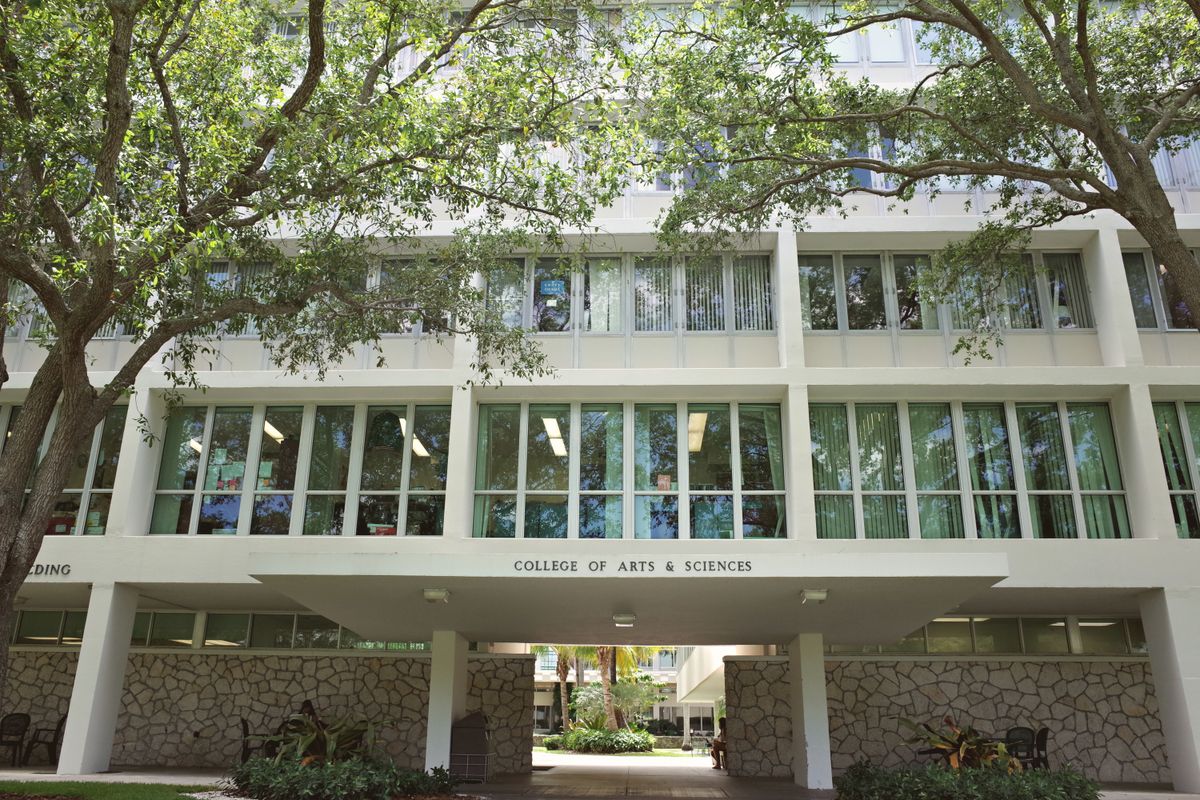

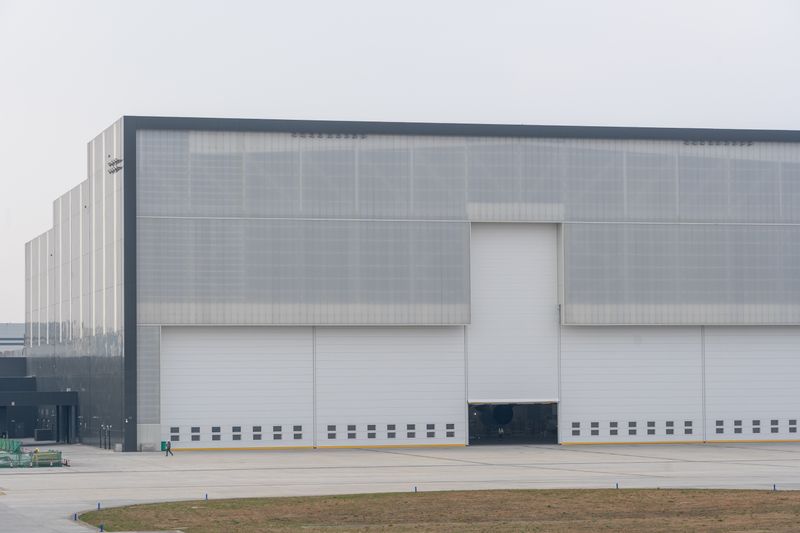

Who May Claim the Deduction?
Whether you own a commercial building or helped design qualifying energy-efficient building systems, Section 179D may offer a tax deduction opportunity worth exploring. Eligibility depends on the project, your role, and applicable requirements.
BUILDING OWNERS
Commercial Building Owners
Owners of qualifying commercial buildings may be eligible for Section 179D deductions when their properties meet applicable energy-efficiency, certification, and construction-start requirements. Potential opportunities may involve office buildings, retail properties, warehouses, and other eligible facilities.
A qualifying deduction may reduce taxable income, potentially creating valuable tax benefits depending on the owner's circumstances. Tributan helps property owners explore eligible projects and understand the documentation needed to support a potential claim.
BUILDING DESIGNERS
Architects, Engineers & Eligible Designers
Architects, engineers, and other eligible designers may qualify for allocated Section 179D deductions when they are responsible for qualifying energy-efficient building systems in certain government-owned or tax-exempt buildings.
Opportunities may exist across previously completed projects where the applicable requirements are satisfied. Tributan helps evaluate design responsibilities, project eligibility, and the allocation and certification documentation needed to support a potential deduction. Installation or construction work alone does not automatically establish eligibility for a designer allocation.
How Much Could Your 179D Deduction Be?
Section 179D deductions can vary significantly depending on the project year, qualifying building area, energy-efficiency performance, and applicable prevailing wage and apprenticeship requirements. Explore the potential deduction amounts below to see why your past or eligible building projects may be worth reviewing.
| Placed-in-Service Year | Standard Maximum (per sq ft) | Increased Maximum (per sq ft) |
|---|---|---|
| 2022 | Up to $1.88/sq ft | Prior-law rules apply |
| 2023 | $1.07/sq ft | $5.36/sq ft |
| 2024 | $1.13/sq ft | $5.65/sq ft |
| 2025 | $1.16/sq ft | $5.81/sq ft |
| 2026 | $1.19/sq ft | $5.94/sq ft |
Understanding Your Potential Deduction: The amounts above represent maximum deduction rates, not guaranteed deductions. Actual eligibility and deduction amounts depend on qualifying building area, applicable energy-efficiency requirements, the placed-in-service year, and prevailing wage and apprenticeship rules or available exceptions. Section 179D also remains subject to the applicable construction-start cutoff.
Have qualifying projects from previous years? You may still have an opportunity worth reviewing.
Existing Building & Retrofit Opportunities
Already own a commercial building or completed energy-efficient upgrades? Your property may still present a Section 179D deduction opportunity. Depending on the improvements and applicable requirements, different evaluation methods may be available to help determine whether your project qualifies.
PATHWAY A
Traditional Energy Modeling
Qualifying energy-efficient improvements may be evaluated by comparing a building's energy performance against applicable reference standards. Projects generally must demonstrate at least a 25% reduction in specified annual energy and power costs, supported by appropriate energy modeling and independent certification. Eligible improvements may involve lighting, HVAC, hot-water systems, and building-envelope components.
- Generally requires at least 25% qualifying energy-cost savings.
- May involve eligible lighting, HVAC, hot-water, and building-envelope systems.
- Deduction amounts depend on the applicable tax year and other requirements.
PATHWAY B
Alternative Retrofit Deduction
Certain existing commercial buildings may qualify through an alternative retrofit pathway based on improvements in energy-use intensity. This approach generally requires a qualified retrofit plan, baseline energy-use information, and certification of the required improvement after the retrofit property is placed in service. Eligibility depends on meeting the applicable technical, documentation, and timing requirements.
- Generally requires at least a 25% reduction in building energy use intensity.
- Requires a qualified retrofit plan and professional certification.
- Post-retrofit energy-use certification is required within the applicable statutory measurement and certification periods after the retrofit property is placed in service.
Availability of either pathway depends on the project's eligibility under current Section 179D rules, including applicable construction-start requirements.
Could Your Building or Project Qualify?
From commercial property owners to architects and engineers, Section 179D opportunities may exist across different building types and qualifying design projects. Explore where your property or professional involvement may fit.
COMMERCIAL BUILDING TYPES
Qualifying Property Categories
Section 179D may apply to qualifying energy-efficient projects involving a range of commercial building types, including:
- Office Buildings & Corporate Campuses
- Retail, Shopping Centers & Restaurants
- Hotels & Hospitality Properties
- Industrial Facilities & Warehouses
- Certain Qualifying Multifamily Buildings
- Qualifying Mixed-Use Buildings
ARCHITECTS, ENGINEERS & BUILDERS
Designer & Builder Eligibility
Architects, engineers, and other professionals responsible for designing qualifying energy-efficient building systems may be eligible for allocated Section 179D deductions on certain government-owned or tax-exempt building projects. Eligibility depends on their actual design responsibilities, the project, and applicable allocation requirements.
- Architects responsible for qualifying building or system designs.
- Mechanical and electrical engineers involved in eligible HVAC or lighting designs.
- Building-envelope designers responsible for qualifying systems.
- Design-build contractors with qualifying design responsibilities.
- Other professionals whose work meets the applicable designer requirements.
Installation or construction work alone does not automatically establish eligibility for a designer allocation.
The 179D Process
From your initial project review to technical evaluation and documentation, Tributan helps coordinate the steps involved in exploring a potential Section 179D deduction. Our process is designed to make the experience easier to navigate while keeping you and your tax professional informed.
Initial Eligibility Review
We review your project information, including building ownership, construction dates, improvements, and available records, to identify potential Section 179D opportunities.
Document Collection
We coordinate the collection of relevant architectural drawings, engineering specifications, construction records, utility information, and other documentation needed for technical review.
Energy Analysis & Technical Evaluation
Qualified engineering professionals evaluate the project using the applicable energy-performance standards and technical methodology. The required analysis depends on the project's characteristics and the relevant 179D pathway.
Designer Allocation (If Applicable)
For eligible designer claims involving qualifying government-owned or tax-exempt buildings, we help coordinate the allocation documentation with the appropriate parties. The deduction depends on the applicable allocation requirements and supporting project records.
Deduction Calculation
Using the technical findings and applicable tax-year requirements, we determine the potential deduction amount, taking into account qualified building area, applicable rates, and relevant limitations.
Certification & Supporting Documentation
We coordinate the required certification and supporting technical documentation with qualified professionals, as applicable to the project.
CPA Coordination
We provide the relevant study findings and supporting documentation to your CPA or tax advisor, helping them understand the potential deduction and evaluate the appropriate reporting and filing treatment.
ESTIMATE YOUR DEDUCTION
Section 179D Deduction Calculator
Use this tool to explore a preliminary estimate of your potential Section 179D deduction based on the project information you provide and applicable deduction rules. No contact information is required.
Built for IRS Substantiation
A Section 179D deduction requires more than identifying energy-efficient improvements. Tributan helps coordinate the technical evaluation, qualified certification, and supporting documentation needed to evaluate and substantiate eligible projects—giving you and your tax professional greater confidence in the process.
Qualified Engineering Certification
We coordinate the required technical review and certification with qualified professionals to help establish whether a project meets applicable Section 179D requirements.
Standards-Based Energy Modeling
Qualifying projects are evaluated using applicable energy-performance standards and technical methodologies, with supporting calculations and documentation to help assess potential deduction eligibility.
Documentation to Support Your Deduction
We help organize relevant technical calculations, certification records, and supporting workpapers to provide your tax professional with documentation that may help substantiate the claimed deduction.
Prior-Year Opportunity Review
Previously completed projects may still present unclaimed Section 179D opportunities. We help review available project records and coordinate with your CPA or tax advisor to explore applicable filing options and deadlines.
COMBINED STRATEGIES
Evaluating Combined Tax Strategies
Your commercial property investments may offer more than one tax-saving opportunity. By evaluating Section 179D alongside Cost Segregation, Tributan helps you explore how qualifying energy-efficient improvements and eligible property components may create complementary tax benefits.
DEDUCTION
Section 179D
Best for: Building owners and eligible designers involved in qualifying energy-efficient commercial building projects
DEPRECIATION
Cost Segregation
Best for: Qualifying property acquisitions, renovations & construction
More Opportunities. One Coordinated Approach.
Your business may have opportunities beyond a single tax incentive. From property investments and facility improvements to technical development, Tributan helps you explore qualifying strategies and understand how they may fit together—so you can make more informed decisions about your next steps.
Eligibility and potential benefits under each strategy are evaluated separately. Applicable tax rules may affect how deductions interact.
Applicable Industries & Projects
From architectural design and commercial development to healthcare and manufacturing facilities, Section 179D opportunities may exist across a range of eligible projects. Explore the building types and professional activities that could be worth reviewing.
Architecture & Engineering
Architects and engineers responsible for qualifying energy-efficient building systems may be eligible for allocated Section 179D deductions on certain government-owned or tax-exempt projects. Tributan helps review design responsibilities, project history, and potential allocation opportunities.
Construction & Design-Build
Design-build firms and contractors with qualifying design responsibilities may have Section 179D allocation opportunities on eligible government-owned or tax-exempt building projects. For privately owned commercial properties, the deduction generally belongs to the eligible building owner rather than the contractor.
Real Estate Developers
Developers and owners of qualifying commercial properties may have Section 179D opportunities involving eligible energy-efficient new construction or improvements. Potential deductions depend on building ownership, project timing, energy-performance requirements, and other applicable rules.
Energy & Utilities
Energy consultants, utilities, and energy-service providers may support qualifying building projects through technical design, energy analysis, or efficiency improvements. Section 179D eligibility depends on the claimant's qualifying role, building ownership, and applicable project requirements.
Healthcare Facilities
Hospitals, clinics, and medical office buildings may present Section 179D opportunities through qualifying energy-efficient lighting, HVAC, hot-water, or building-envelope improvements. Eligibility depends on the building, project, and applicable requirements.
Manufacturing Plants
Manufacturing facilities may present Section 179D opportunities when qualifying building systems meet applicable energy-efficiency requirements. Potential projects may involve lighting, HVAC, hot-water, and building-envelope improvements in eligible industrial properties.
Frequently Asked Questions

You Don't Need To Know Which Service You Need.
Tell us about your business. Tributan can help identify which areas warrant a closer look.
